Last updated: August 8, 2026
Shopping for a modern cat scratching post usually starts the same way. You need something that saves the sofa arm, you go looking, and every result is a beige carpeted column with a pompom dangling off it. So the post ends up behind a door, the cat goes back to the couch, and nobody wins.
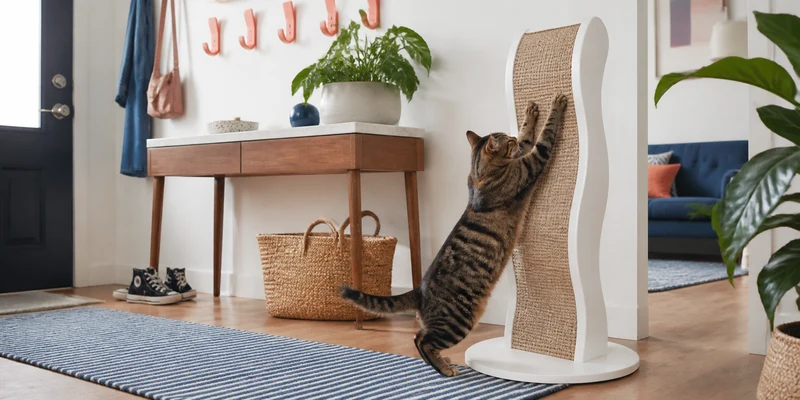
This corner of the market has changed a lot, though. Natural sisal on a solid wood base, molded plywood frames, wool felt, powder coated steel, and cardboard shaped like something you would not mind seeing from the kitchen. This guide covers what separates a genuinely designed scratcher from a beige one with a wood grain sticker, which details decide whether your cat bothers with it at all, and picks at both ends of the range.
This article contains affiliate links. If you buy through them, we may earn a commission at no extra cost to you. Learn more.
Quick Answer
What should you look for in a modern cat scratching post?
- Height first, looks second: a vertical post has to let an adult cat stretch out fully with front paws overhead, which rules out most of the short decorative ones.
- Choose real materials. Natural sisal rope or sisal fabric on solid wood or plywood lasts, while carpet mats down and printed melamine chips along every edge.
- Check the base. A wide, heavy base that does not rock under a hard pull is what makes the difference between a used post and an ignored one.
Modern Scratching Post Styles Compared
Modern covers several very different objects in this category. These are the five you will actually run into, and what each one asks of you in return for the look.
| Style | What it looks like | Best suited to | Trade-off to expect |
|---|---|---|---|
| Wood and sisal column | Natural sisal rope around a tall post on an oak or walnut toned base | Cats who stretch upward, rooms with warm wood furniture | Rope frays and eventually needs rewrapping |
| Minimalist sisal fabric post | Neutral woven sisal over a plain column, simple square base | Serious scratchers, and function that disappears into the room | Shows dirt, and reads as basic rather than designed |
| Sculpted plywood scratcher | Curved or angled birch or walnut ply holding a replaceable panel | Cats who scratch at an angle or flat as well as upright | Lower height, so it rarely replaces a tall post |
| Designer cardboard lounge | Corrugated cardboard shaped into a wave, ramp, or bowl | Horizontal scratchers and cats who nap where they scratch | Sheds crumbs and is consumable by design |
| Steel and felt hybrid | Powder coated frame with felt or wool panels and a sisal insert | Contemporary rooms where the piece stays on display | Felt collects hair and needs vacuuming often |
If you are still deciding between styles rather than shopping within one, the wider cat scratching post buying guide compares every category side by side, including the mass market carpeted options this article deliberately leaves out.
What Makes a Scratching Post Modern Rather Than Just Plain
Listings use the word freely, so it helps to look at specifics rather than styling cues. Three things reliably separate a designed scratcher from a rebranded one.
- Material honesty. Solid wood or plywood, natural sisal rope or woven sisal fabric, wool or recycled felt, and metal fittings meant to be seen. Printed melamine photographs beautifully and then chips along the corners once claws get involved.
- A shape that earns its place. Design led scratchers do less: one column, one clean silhouette, a limited palette, no dangling toys. That restraint is the point, but it means the few elements you do get have to be sized correctly, especially the height.
- Parts you can replace. A replaceable sisal sleeve, a cardboard insert that slides out, or a post you can rewrap keeps a good frame in service for years. Glue and staples over particleboard means the whole thing goes in the trash once the surface shreds.
Brand positioning splits along the same line. Tuft + Paw, The Refined Feline, and Hepper design small catalogs for people who want the piece visible, while Vesper, Trixie, and Frisco chase a similar look at mainstream prices. Our overview of designer cat furniture brands maps who makes what, and the broader modern cat furniture guide covers how a scratcher fits alongside the tree and the bed.
The Details That Decide Whether Your Cat Uses It
A beautiful post your cat walks past every day is an expensive sculpture. Owners who report good results tend to have checked the same short list before ordering.
- Height. Cats scratch partly to stretch the whole body, so a vertical post has to let an adult cat reach up with front legs fully extended. Many decorative posts are built to look balanced rather than to fit a stretching cat, and short posts get ignored in favor of the sofa arm. Our roundup of tall cat scratching posts filters for height directly.
- Stability under load. A cat pulls sideways, not straight down. A post that rocks even slightly teaches a cat within a few tries that it is not trustworthy, and weight in the base does more for that than clever engineering.
- Surface texture. Natural sisal rope and woven sisal fabric give the resistance cats look for and hold up far longer than carpet, which mats down and stops being satisfying. Our guide to sisal cat scratching posts covers the differences.
- Orientation. Some cats stretch upward, others dig in horizontally on rugs and doormats. Watching which one your cat already does is the most useful research you can do, and why cats scratch explains the behavior behind both.
- Upkeep. Rewrapping a frayed post costs far less than replacing the piece, so a replaceable column is worth paying a little more for. Felt and cardboard look excellent and both need vacuuming more often than sisal.
Our Top Picks at a Glance
How we chose: we compared widely available design led scratchers on materials, height, base stability, and how well the finish holds up in a room people actually live in. Selections lean on manufacturer specifications and the patterns that come up repeatedly in owner reviews rather than any hands on comparison of our own.
Two things worth saying up front. A modern scratcher does not have to be premium to look intentional. And if your cat is a committed floor scratcher, the tallest column in the world will not change that, so read the second set of picks before deciding.
🏆 Best Overall
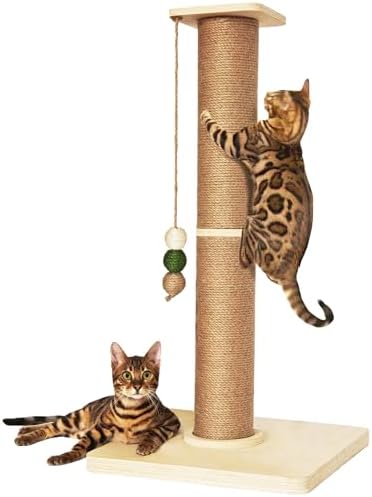
A tall natural sisal column on a solid wood base in a warm tone, with enough height for a full stretch and enough weight to stay put. The sensible default when the post has to live in a main room.
💛 Best Value
Plain woven sisal fabric over a tall column with a wide, weighted base. No styling to speak of, which is exactly why it reads as quiet rather than cheap in a modern room.

⭐ Upgrade Pick
Design tier construction with natural materials, a serviceable scratch surface, and a finish meant to be seen. Worth considering when the piece has to hold its own beside real furniture for years.

Brand level detail goes further than a roundup can, so if you have narrowed it down, read the Tuft + Paw review or our SmartCat Ultimate scratching post review before committing.
Matching a Modern Post to Your Room and Your Cat
Studios and one bedroom apartments. Floor space is the constraint, so a single tall column in a corner beats a sprawling low scratcher. Put it where the cat already hangs out rather than where it looks tidiest. If you rent and cannot drill, our guide to cat furniture for renters covers the freestanding options that leave nothing to patch.
Open plan living rooms. The post is visible from every seat, so finish consistency matters more than it would in a corner, and matching the wood tone to your existing furniture does more for the room than picking a striking shape. If your pieces already lean warm and legged, the mid century modern cat furniture roundup narrows the field.
Large cats and multi cat homes. Design led scratchers are frequently built to an average cat, and that assumption falls apart with a Maine Coon pulling sideways at full stretch, so height and base weight should outrank looks. With several cats, two posts in different rooms work better than one, since scratching is partly territorial.
Households with a sofa problem. If the damage has already started, placement is more urgent than style. Set the post directly beside the spot being scratched, then move it gradually once the habit transfers. Our guides on getting a cat to use a scratching post and stopping a cat from scratching furniture walk through the sequence.
Modern Picks for Floor Scratchers and Tight Corners
Not every cat scratches upward, and not every room has a corner to spare for a full height column. These two cover the situations the picks above do not.
📐 Best for Horizontal Scratchers
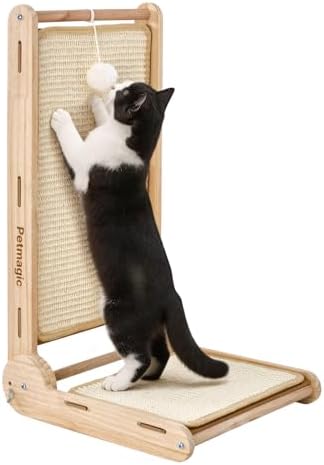
A sculpted frame that sets into more than one angle, so you can find out whether your cat prefers upright, inclined, or flat without buying three separate products. The scratch surface slides out and gets replaced rather than the whole piece.
🌿 Also Great
A curved cardboard lounge that doubles as a napping spot, shaped well enough to leave out in a living room. The most apartment friendly way to give a floor scratcher somewhere legitimate to dig in.
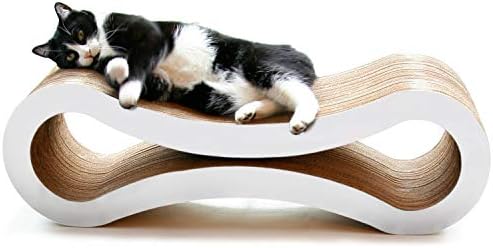
Both are consumable by design, which is fine as long as you know it going in. If you would rather commit to one piece that lasts, a tall post in natural sisal is the better long term buy, and a modern cat tree combines the column with perches when you have the floor space.
Placement, Setup, and Keeping It Looking Good
Placement. Put the post where your cat already scratches, sleeps, or stretches after a nap, not where it suits the room. Entryways, the end of a hallway, and beside the sofa get used most. A gorgeous post in the spare room gathers dust.
Setup. Tighten the base fasteners in stages rather than fully seating one side first, which keeps everything square and prevents the play that turns into wobble a month later. Check the bolts again after a couple of weeks, then once a season. On lightweight designs, a felt pad under the base stops sliding on hard floors, which is often mistaken for instability.
Upkeep and introduction. Vacuum sisal and felt with an upholstery attachment rather than a beater bar, and wipe wood with a barely damp cloth, since standing moisture is what lifts a veneer edge. When the rope frays past the point of being satisfying, a rewrapping kit brings the post back for far less than a replacement. Give it a week before writing it off: a little catnip near the base and a few minutes of play that ends at the post covers most of what is needed. Freestanding pieces near climbing routes are still worth checking for tip over risk, and our cat furniture safety guide runs through that.
Common Mistakes When Buying a Modern Scratching Post
- Buying from the styled photo. Product shots use a small cat and a flattering lens. Compare the listed height against your own cat standing on hind legs with front paws stretched overhead, not against how tall the post looks on screen.
- Treating height as decoration. A short column at ankle height does not let a cat stretch, and it will not pull claws away from the couch no matter how good it looks.
- Assuming premium means stable. Some minimalist designs use a deliberately small base for visual lightness, and a slim base plus a heavy cat is the combination that rocks.
- Choosing white or pale gray to be safe. Pale sisal and light felt show every hair and paw print. A mid wood tone hides both and ages better.
- Buying one post for a multi cat household. Scratching marks territory as well as maintaining claws, so one post tends to leave at least one cat still working on the furniture.
Where to Go From Here
If material is what you want to get right, sisal cat scratching posts covers rope versus fabric and how each wears. If height is the deciding factor, tall cat scratching posts goes further in that direction. And to see how a scratcher fits into a coordinated setup rather than shopping for it in isolation, start with modern cat furniture, or the aesthetic cat tree roundup if a combined tree and post suits your space better.
Frequently Asked Questions
Are modern scratching posts worth paying more for? For a piece that lives in a main room and gets used daily, better materials and a replaceable scratch surface usually justify the spend. For a spare room or a second post, a plain sisal fabric column does the job.
How tall should a scratching post be? Tall enough for your adult cat to reach up with front legs fully extended and still have post above the paws. Measure your own cat rather than trusting a listing description, since many decorative posts are built shorter than that.
Is sisal better than carpet? Sisal rope and woven sisal fabric hold up far longer and give the resistance most cats look for, while carpet mats down and can confuse a cat about which carpeted surfaces are allowed. See our sisal guide for the detail.
Will my cat use a minimalist design? Usually yes, provided the basics hold up: enough height, a surface with real texture, and a base that does not move. Cats respond to placement and texture far more than to styling.
Do I need a post if I already have a cat tree? Often yes. Many trees wrap sisal around short sections between platforms, which does not allow a full stretch. A standalone post in a second room also spreads the scratching out.
What if my cat ignores it completely? Move it before you replace it. Most refusals come down to location or orientation rather than the product, and our guide on getting a cat to use a scratching post covers the fixes in order.
The Bottom Line
A modern cat scratching post works when the styling sits on top of the functional basics rather than replacing them: real sisal, enough height for a full stretch, and a base heavy enough to trust. Put one well chosen post where your cat already scratches, rather than a prettier one parked somewhere convenient.