Last updated: August 8, 2026
Finding the best cat scratching post is mostly a matter of getting three unglamorous things right: enough height for a full stretch, a base that does not shift, and a surface your cat actually wants to sink claws into. Almost every abandoned post in an American living room fails on at least one of them. The carpeted stub sold as a starter post is too short for an adult cat, tips when leaned on, and wears smooth within a season, so the cat goes back to the sofa arm.
This guide is the starting point for the whole scratching post category. It covers the main types, the specifications worth checking before you order, and picks for the situations most owners land in: a solid upright sisal post, a budget option, an extra tall model, a design led piece, a horizontal cardboard scratcher, and something built for a cat that destroys everything. Where a subject deserves more depth, you will find a link to the dedicated guide.
This article contains affiliate links. If you buy through them, we may earn a commission at no extra cost to you. Learn more.
Quick Answer
What makes a scratching post worth buying?
- Height first. The post has to be taller than your cat can reach with front legs fully extended, which rules out most of the short posts sold as starter models.
- A wide, heavy base. If the post rocks or slides when a cat pulls against it, the cat stops using it, usually within a few days.
- Natural sisal rope or sisal fabric on vertical posts, corrugated cardboard for cats that scratch flat surfaces. Carpet is the weakest of the three.
Scratching Post Types at a Glance
Scratching products are sold as one category, but they solve different problems, and the type matters more than the brand. This overview shows what each one is good at and where it falls short, so you can narrow the field before comparing models.
| Type | What it does well | Best suited to | Watch out for |
|---|---|---|---|
| Tall upright sisal post | Allows a full vertical stretch, which is what most cats are looking for | Adult cats that scratch door frames, sofa arms and walls | Needs a genuinely heavy base; cheap versions sway |
| Compact or budget post | Cheap, light and easy to add in a second room | Kittens, spare posts, small apartments | Usually too short for an adult cat to stretch fully |
| Horizontal cardboard scratcher | Suits cats that scratch rugs and carpet rather than walls | Floor scratchers, multi cat homes, renters | Sheds cardboard crumbs; is a consumable, not furniture |
| Incline or ramp scratcher | Covers the middle ground between flat and upright | Cats that scratch stair treads and the side of the couch | Lighter models slide across hard floors |
| Design led post | Wood, felt and clean shapes that suit a visible living room | Open plan spaces where the piece is always on show | Styling sometimes wins over usable scratching height |
| Heavy duty post | Thick rope and a substantial base for hard, frequent scratchers | Large cats, enthusiastic destroyers, households with several cats | Bulky and awkward to move once it is in place |
Most homes do well with one tall upright post as the main piece, plus a flat cardboard scratcher in the room where the cat already works on the rug. Watching which surfaces your cat targets is the cheapest research you can do, and why cats scratch in the first place explains what those choices are telling you.
Height: The Specification That Decides Everything
Scratching is a stretch as much as a claw maintenance routine. A cat reaches up, hooks in, and pulls the length of its spine and shoulders. A post that stops halfway up that reach gives none of the satisfaction, which is why so many short posts sit untouched next to a shredded armchair.
Measuring it is simple. Let your cat stretch against a door frame, mark the height the front paws reach, and measure from the floor. Your post needs to be at least that tall with a few inches of margin, and the sisal has to run all the way to the top rather than stopping short under a decorative platform.
Manufacturers list total product height, which often includes a base plate and a top perch, so check how much of that number is actually wrapped in scratching material. The tall cat scratching post roundup covers the models built for cats that outgrow standard sizes.
Stability, Materials and Build
Base stability. A cat pulls sideways and down against a post with real force. If the whole thing rocks, slides or lifts on one edge, the cat reads it as unsafe and moves on. A base as wide as the post is tall would be impractical in a living room, so weight is what you are really looking for: a solid, dense base plate, ideally with the post bolted through rather than screwed into a thin panel. On slick floors, a rubber mat underneath solves most of the sliding.
Sisal rope versus sisal fabric. Rope has the coarse, grabby texture most cats prefer and it wears down gradually rather than tearing. Sisal fabric is smoother, sheds less and looks tidier, and plenty of cats are happy with it. Both beat carpet, which mats down, stops catching claws and then trains your cat to look elsewhere. Our guide to sisal scratching posts compares the two surfaces in detail, and the same logic applies to towers in the sisal cat tree roundup.
Corrugated cardboard. Flat and angled cardboard scratchers are cheap, popular with cats that target rugs, and genuinely disposable. Reversible pads last roughly twice as long. They do shed crumbs, so a mat or a tray underneath keeps the mess contained.
Construction details. Tightly wound rope with no visible gaps, a solid core rather than a cardboard tube, and bolt through hardware are the difference between a post that lasts years and one that unravels in a few months. Rewrapping kits exist and are worth the evening when the core is still sound.
Our Top Picks at a Glance
How we chose: we compared widely available scratching posts on scratching height, base stability, materials and value, weighting the specifications that owner reviews consistently flag as deal breakers. Availability, colors and model numbers change often, so check the current listing before ordering.
Two things worth saying up front. A more expensive post is not automatically a more stable one, and no single post covers every cat. Many households end up with one tall upright piece and one flat scratcher, which is still a modest outlay next to reupholstering a couch.
🏆 Best Overall
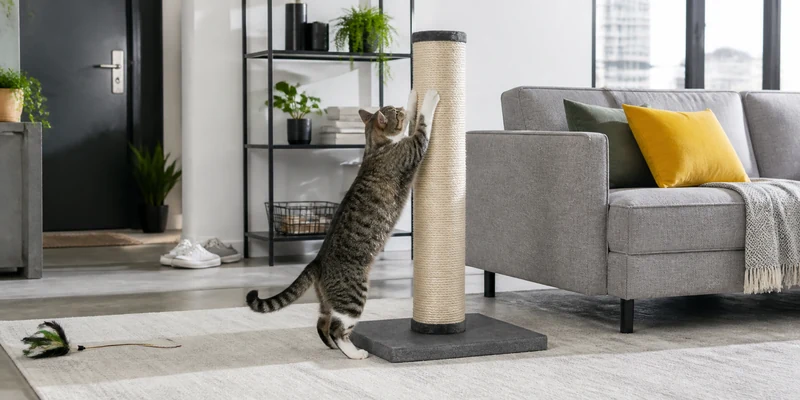
A tall, single post upright wrapped in natural sisal from base to top, on a weighted base with a small footprint. The sensible default if you want one piece that gives an adult cat a genuine full height stretch.

💛 Best Value
A straightforward sisal wrapped upright at an entry level price. A reasonable first post, or a spare for a bedroom or a home office where the cat also likes to work on the carpet.

⭐ Best for Styled Rooms
A design led scratcher built to sit in a visible room, with a wood frame and a replaceable scratching surface. Worth considering when the piece has to hold its own next to real furniture.

Want to compare within one lane rather than across them? The tall scratching post and modern scratching post roundups narrow the field, and there is a closer look at the classic upright above in our SmartCat Ultimate Scratching Post review.
Matching the Post to How Your Cat Scratches
Vertical scratchers. If the damage is on door frames, sofa arms, wallpaper or the corner of a bookcase, your cat wants to reach up. A tall upright post is the answer, placed as close as you can get to the surface being ruined.
Horizontal scratchers. Plenty of cats work on rugs, carpet and doormats instead, and no amount of vertical post will redirect them. Flat cardboard pads or a low sisal mat suit these cats far better, and they are cheap enough to put one in every room where the behavior shows up.
Large and heavy cats. Maine Coons, Ragdolls and larger mixed breeds need more height and considerably more mass in the base than a standard post provides. Thin rope wears through quickly under a big cat, so look for thick rope on a solid core.
Kittens and senior cats. Kittens will use almost anything, but a stable post from the start builds the habit before the sofa does. Older cats sometimes stop scratching because reaching up has become uncomfortable, and a low angled scratcher keeps them going. If an older cat suddenly stops scratching altogether, or seems sore when stretching, that is worth mentioning to your veterinarian.
Several cats. Cats do not queue politely for one post. The usual guidance is at least one scratching surface per cat plus a spare, spread across the rooms they use, rather than one impressive tower in the hallway.
Picks for Specific Scratching Styles
These cover the cases where a standard upright post is the wrong answer. Each one solves a particular problem rather than adding features.
📐 Best for Tall Stretchers
An extra tall sisal upright for cats that still reach past a standard post, on a base heavy enough to stay planted. Measure your cat stretched against a door frame before ordering, since this is the one specification you cannot fix later.

🛋️ Best for Horizontal Scratchers
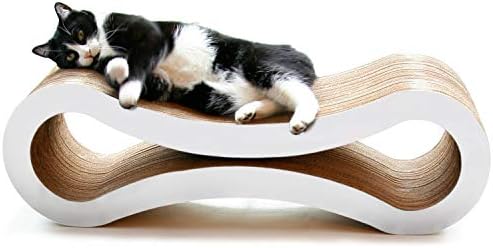
A wide corrugated cardboard lounger that doubles as a resting spot, for cats that shred rugs and carpet rather than door frames. Reversible, and cheap enough to place one in every problem room.
🧶 Also Great
A heavy duty post with thick rope and a substantial base, built for cats that go through a standard post in a season. Bulkier than most uprights, which is exactly the point.

Prefer something that combines climbing and scratching in one piece? That is a different category, and the cat tree buying guide covers towers where the posts are part of a larger structure.
Placement, Setup and Upkeep
Placement. Put the post where the scratching already happens, not where it looks tidiest. Cats scratch to mark territory and to stretch after sleeping, so the two best spots are right next to the furniture being targeted and near where your cat naps. A post banished to a spare room is the single most common reason a good product goes unused.
Setup. Tighten everything on a flat floor, then push the post firmly at the top with one hand. If it rocks, add a rubber mat or shim the base. Anything tall enough to topple onto a cat should be checked for stability the same way you would check a bookcase, and our cat furniture safety guide covers tip over risk more broadly.
Getting the cat to use it. Do not press paws against the rope. Play near the base with a wand toy, drape a familiar blanket close by, and rub a little catnip or silvervine into the surface if your cat responds to it. Reward any scratching you see. The full routine, including how to make the old target less appealing, is in our guide on getting a cat to use a scratching post.
Upkeep. Trim frayed rope ends rather than pulling them, retighten the base hardware every few months, replace cardboard inserts when the grooves flatten, and rewrap a sisal post when it goes smooth. A post that has stopped catching claws has stopped doing its job.
Common Mistakes When Buying a Scratching Post
- Buying too short. The most common error by a wide margin. If your cat cannot stretch out fully, the post will lose to the sofa arm every time.
- Choosing carpet to save money. Carpet mats down, stops gripping claws, and blurs the line between furniture that may be scratched and furniture that may not.
- Ignoring the base. A tall post on a light board wobbles under a determined cat. Weight and footprint matter as much as the rope.
- Putting it out of the way. Hiding the post in a guest room defeats the purpose. It belongs next to the damage, at least until the habit transfers.
- Assuming one post covers everything. Cats have surface preferences, and many need both an upright and a flat option. If the furniture is still taking a beating, our guide on how to stop a cat from scratching furniture works through the redirection step by step.
Where to Go Next
If surface quality is what you are weighing up, the sisal scratching post guide is the logical next stop. If the look is the sticking point, the modern scratching post roundup and our wider modern cat furniture hub cover design led options that survive a living room. And if you are renting and cannot drill or rearrange much, cat furniture for renters covers what works in a lease.
Frequently Asked Questions
How tall should a cat scratching post be? Taller than your cat can reach with front legs fully extended, measured against a door frame, with a little margin on top. For most adult cats that rules out the short starter posts, and larger breeds need more again.
Is sisal or carpet better on a scratching post? Sisal, in almost every case. It grips claws, wears gradually and lasts far longer, while carpet mats down and then sends your cat back to the furniture.
How many scratching posts does one cat need? A common rule of thumb is one scratching surface per cat plus one spare, spread across the rooms they actually use. A single post in a hallway rarely covers a whole household.
Why does my cat ignore the new scratching post? Usually height, wobble or placement. Check that it does not shift under pressure, move it next to the furniture being scratched, and give it a couple of weeks with some encouragement, as this guide explains.
Do cardboard scratchers work as well as sisal? For cats that scratch flat surfaces, yes, and often better. They wear out faster and shed crumbs, but they are inexpensive and easy to put wherever the behavior shows up.
When should a scratching post be replaced? When the surface goes smooth and stops catching claws, or when the base has loosened past the point of retightening. A worn sisal post can often be rewrapped instead of replaced.
The Bottom Line
A scratching post earns its space when the basics are right: tall enough for a full stretch, heavy enough not to shift, and wrapped in sisal or cardboard rather than carpet. Match the type to the way your cat already scratches, upright for door frames and flat for rugs. Then put it where the damage is happening, and most of the problem solves itself.